Around the place
The farm, the dogs, the family.
A walk through what you'd see on a visit — the eighty acres, the whelping room, the working dogs, and the people who run the kennel.
Eighty acres in the Smoky Hills of central Kansas — about 2½ hours northwest of Wichita, an hour from Salina, and forty-five minutes west of the Cheyenne Bottoms waterfowl area. Three generations of Caldwells, two breeds of retrievers, and a farmhouse that's heard a lot of puppy feet since 2003. Here's how to find us, what to expect, and why we welcome visitors who are serious about a Smokey Hill pup.
Where we are
We don't run a public storefront — this is a working family farm. But if you're on the waitlist or thinking seriously about reserving a pup, we want you out here. Walking the property, meeting the parents, watching the puppies underfoot — that's how a placement starts.
Around the place
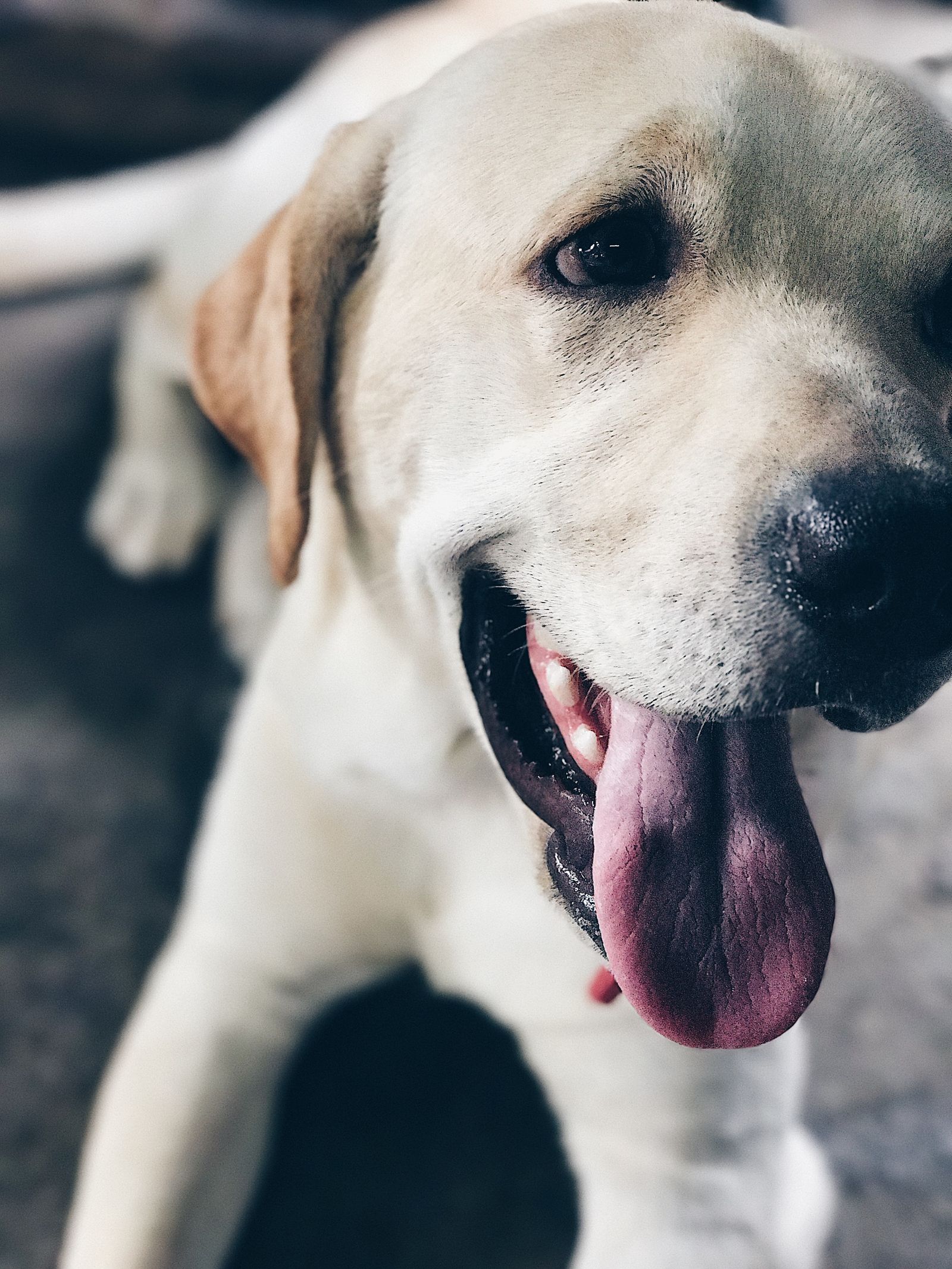
A walk through what you'd see on a visit — the eighty acres, the whelping room, the working dogs, and the people who run the kennel.
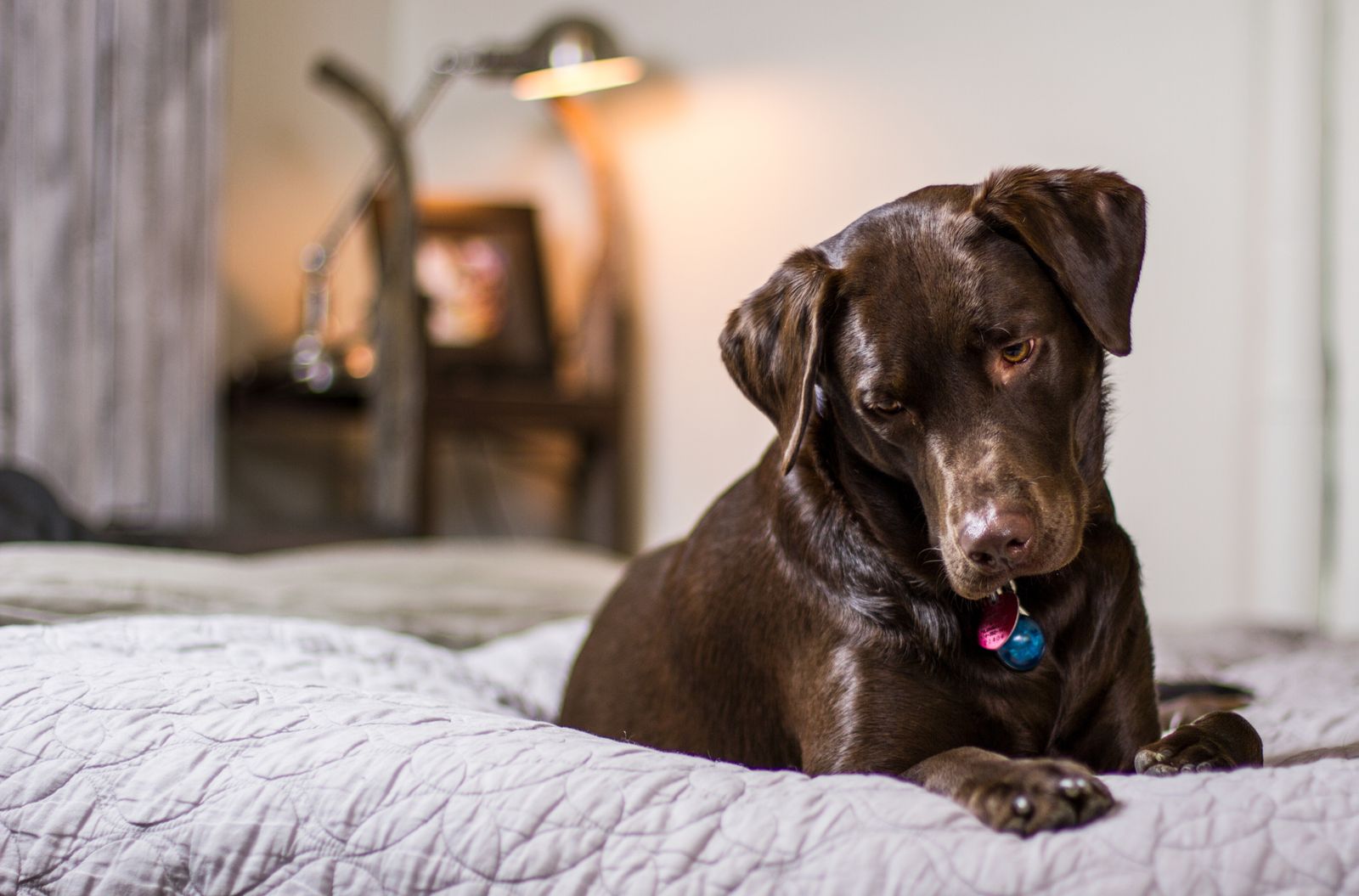
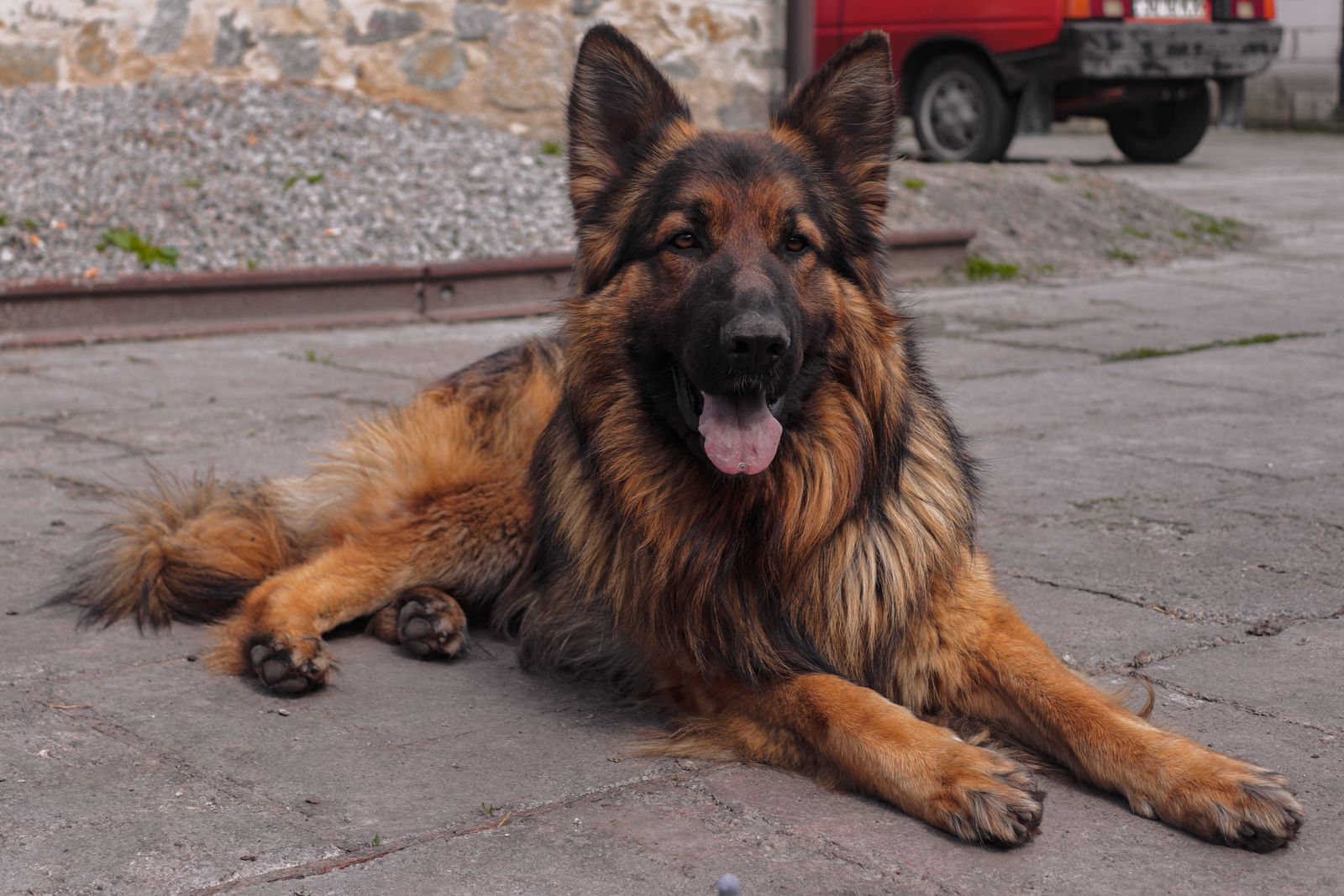
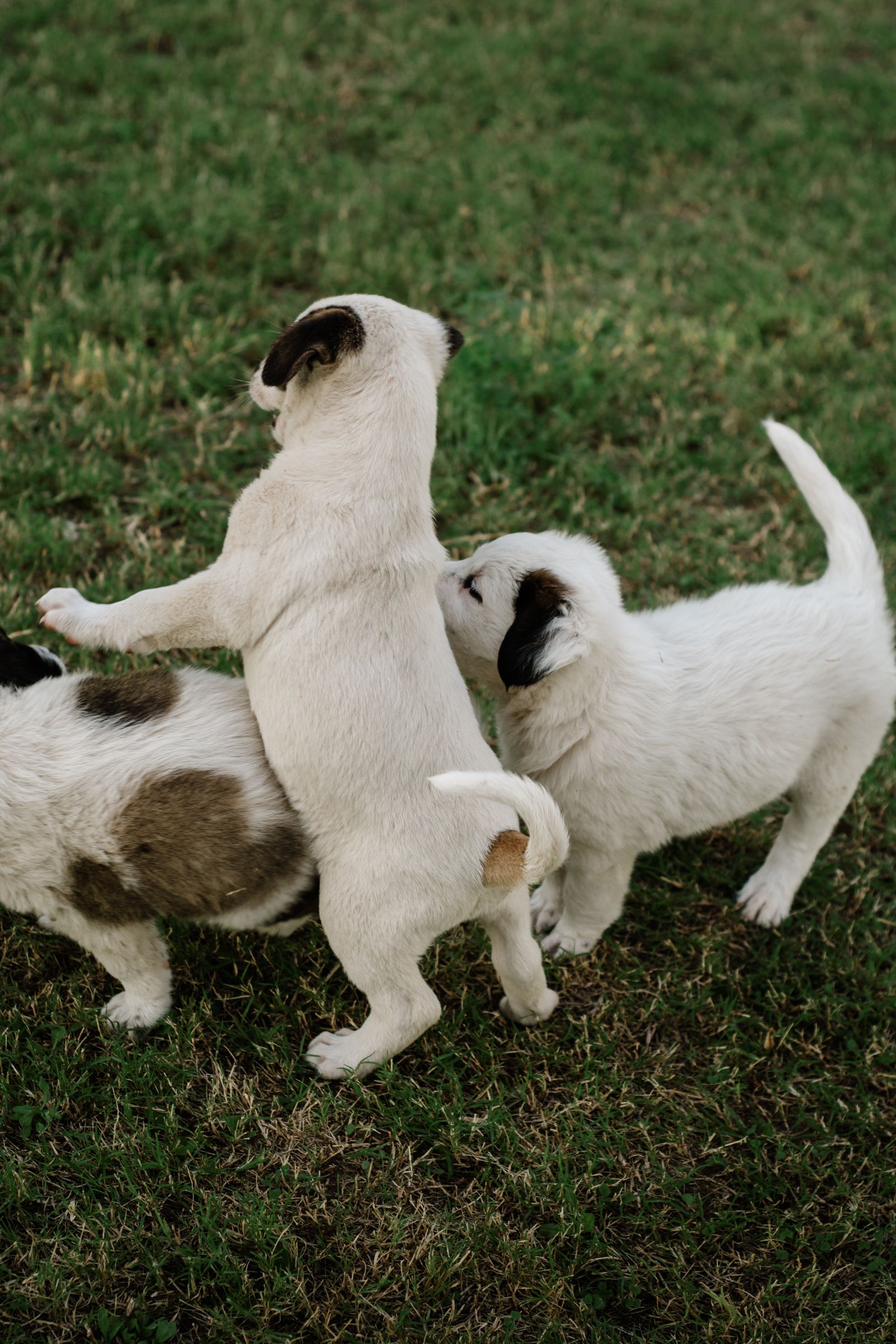
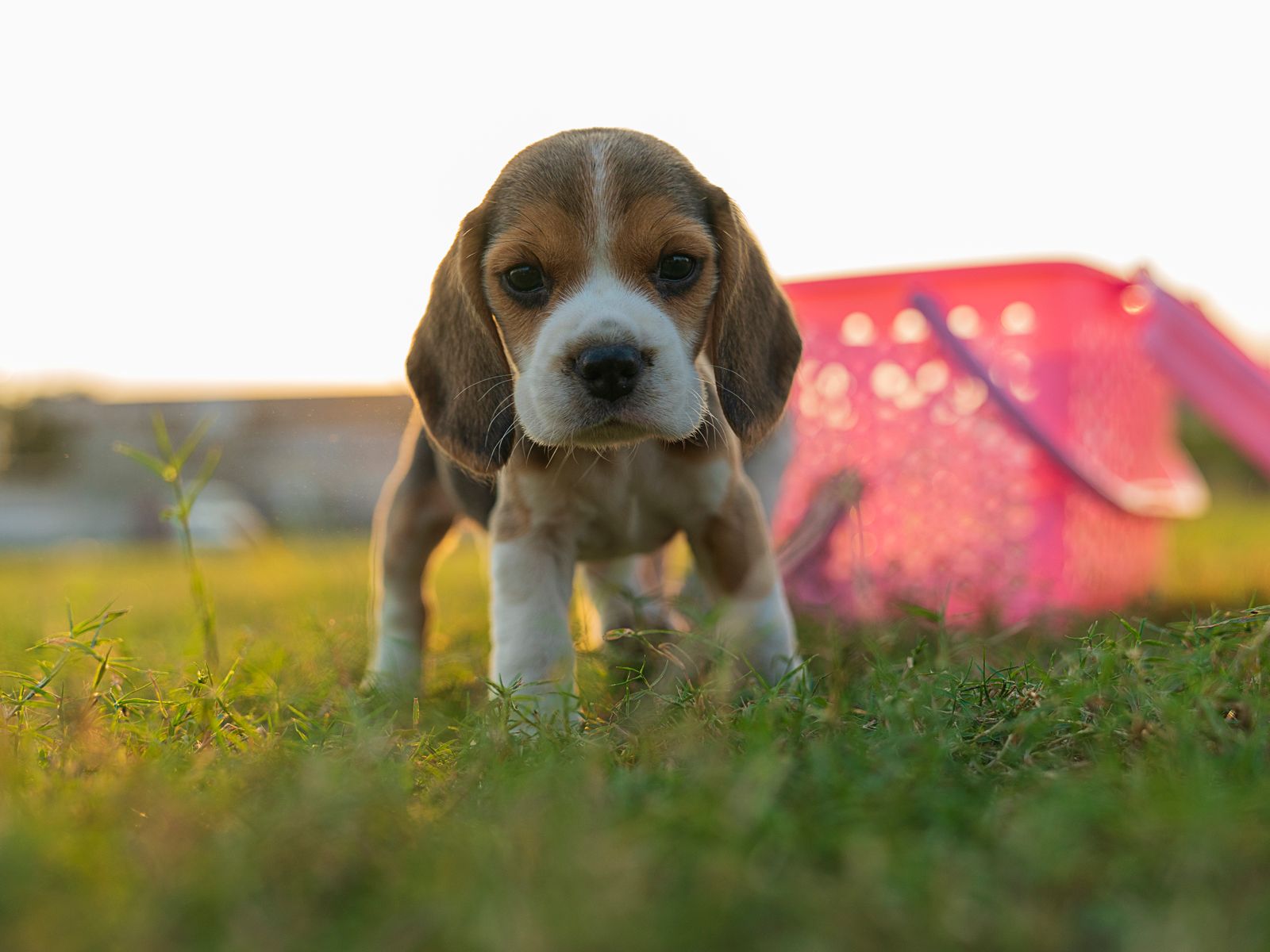
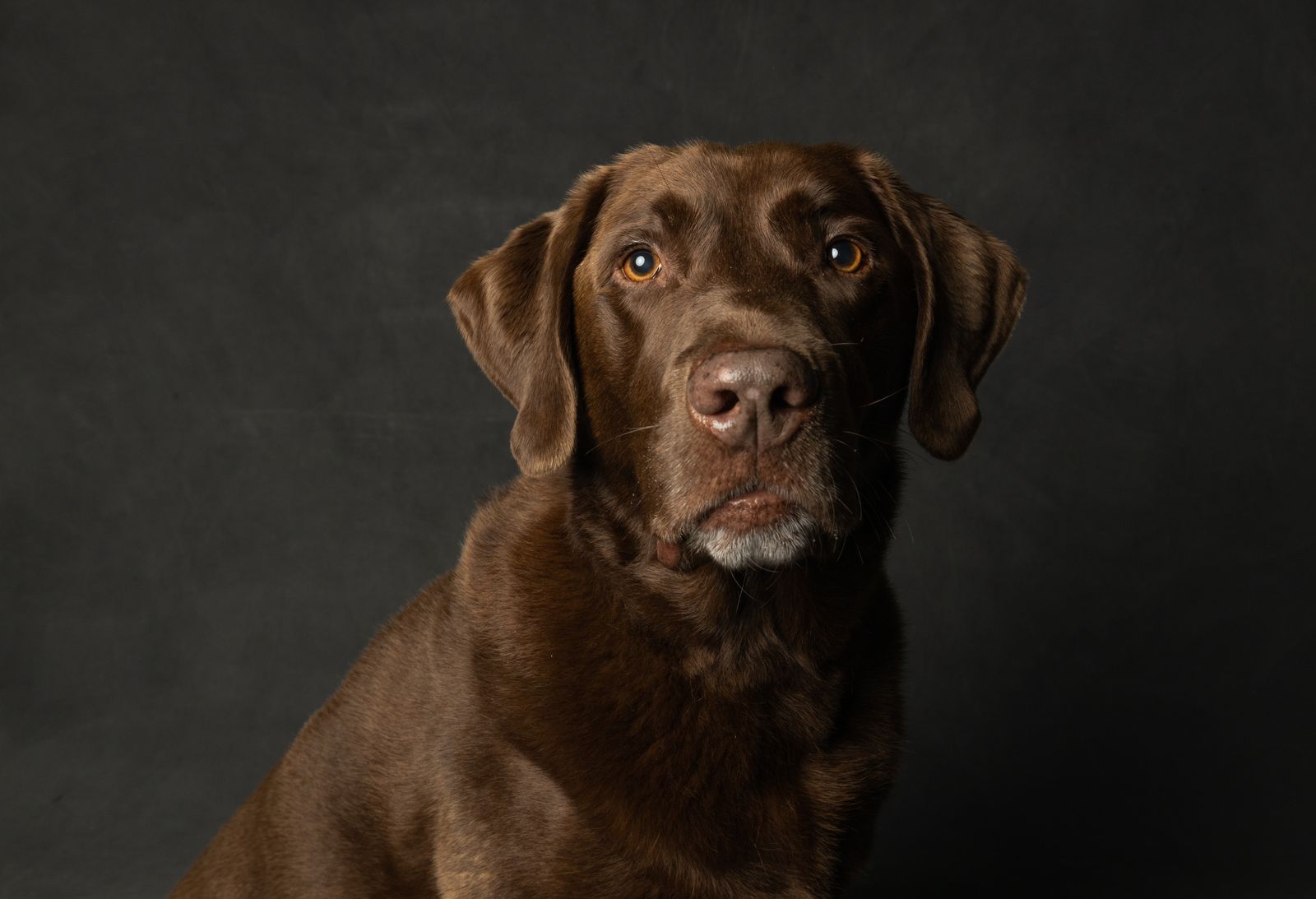
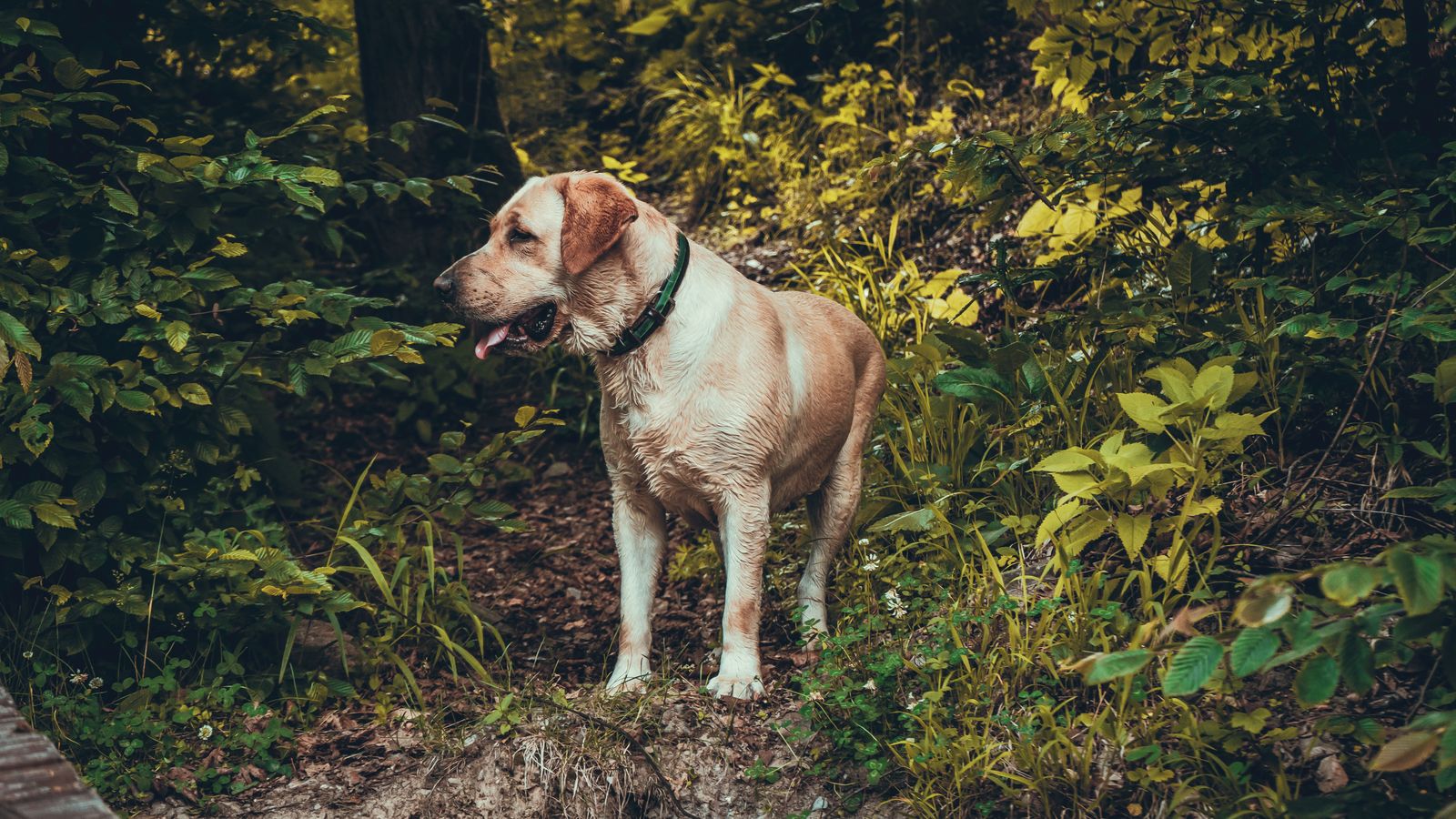
Why this land
Tom's grandfather farmed this ground long before there was a kennel on it. Wheat and cattle, mostly — Kansas farming the way it's done out here. Tom grew up walking these fields with a Lab at his heel, hunting the seasonal water holes and the wheat stubble in fall, so when he and Maggie decided to start a kennel in 2003, there was no question where it would be. The land was already part of the breeding philosophy.
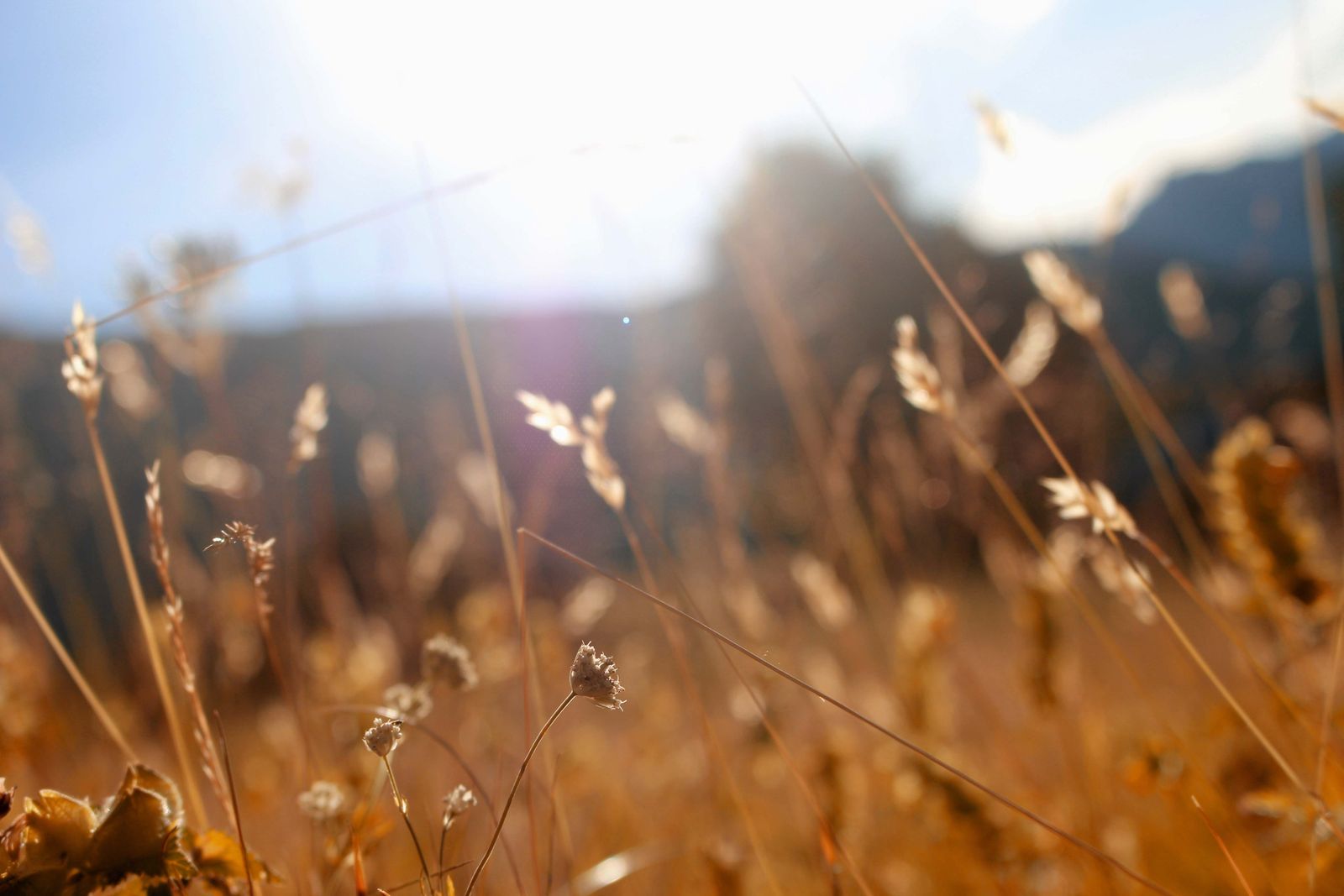
Eighty acres is enough to give every dog real space to be a dog. The puppies grow up in the farmhouse and the yard, but they meet the pasture early too — the cattle, the chickens, the seasonal wheat, the cottonwood line along the creek. By eight weeks they've heard a tractor, walked through tall grass, watched a covey of quail break, and ridden in the truck. None of that happens in a kennel block.
The Smoky Hills themselves are part of it. The dogs we breed are working retrievers, and the country we're in is hunt country — the Cheyenne Bottoms waterfowl area is forty-five minutes east, the upland country runs north to Nebraska, and the sandhills sit just to our west. The dogs we send home know what cover and water and birdiness look like before they leave the property. That's not by accident.
Visiting
We don't sell from photos. If you're serious about a Smokey Hill pup, plan a half-day on the farm — meet the parents, see the litter, talk through what you're hoping for. The drive is part of the deal.
Getting here
We're roughly two and a half hours northwest of Wichita and four hours west of Kansas City. The Salina airport is closer (about an hour) for regional flights. We've had buyers drive from Texas, Iowa, Missouri, Colorado, and Nebraska — the road into central Kansas is long and straight, and most people end up calling it part of the experience.
If you're flying in for a pickup, we can pick you up from the closest airport and bring you out to the farm. We can also hand-deliver, which we do whenever the calendar allows — Tom and Maggie have driven pups across half the country at this point. Call us early and we'll figure out the cleanest way to get you and the dog connected.
Bear's our second Caldwell Lab. The first one, Mocha, made it to twelve and never had a hip problem in her life — that's why we came back. Tom remembered us before we finished introducing ourselves on the phone. Bear is steady to shot, soft in the house, and ready to go at four in the morning when the alarm goes off. Exactly what we wanted.
We're a family of five — three kids under ten — and we'd been told a sporting breed was a bad idea for us. Maggie spent more time asking us questions than we spent asking her. By the time she matched us with Daisy, she knew our house better than half our relatives. Daisy sleeps under the table at dinner and chases the kids around the yard until they all collapse. The off-switch is real.
I drove from Bozeman to pick up our pup. Twelve hours each way. Worth every mile. Tom sat me down on the porch for half a day and walked me through the first month — crate, feeding, the early retrieving stuff. I've had three Labs in my life and that briefing told me more than the other two breeders combined.
Ranger came to us as a started dog at ten months — Sarah had him through Headstart and the gun-dog program. He was steady to shot before he ever rode home with me. First season we ran him on greenwings, second season he passed his Senior Hunter. Money I'll never regret spending.
Scout works search-and-rescue with our county team. Nose, drive, recovery, the calm under noise — it's all there. We told Maggie what we needed her to be, and she picked the pup out of the litter. We didn't pick. She did. That decision held up every day for the next two years of training.

Send a note through the contact page and tell us a little about your family and what you're hoping for. We read every inquiry personally — Tom or Maggie will write back with a real answer, and if we're a fit we'll set up a visit.